




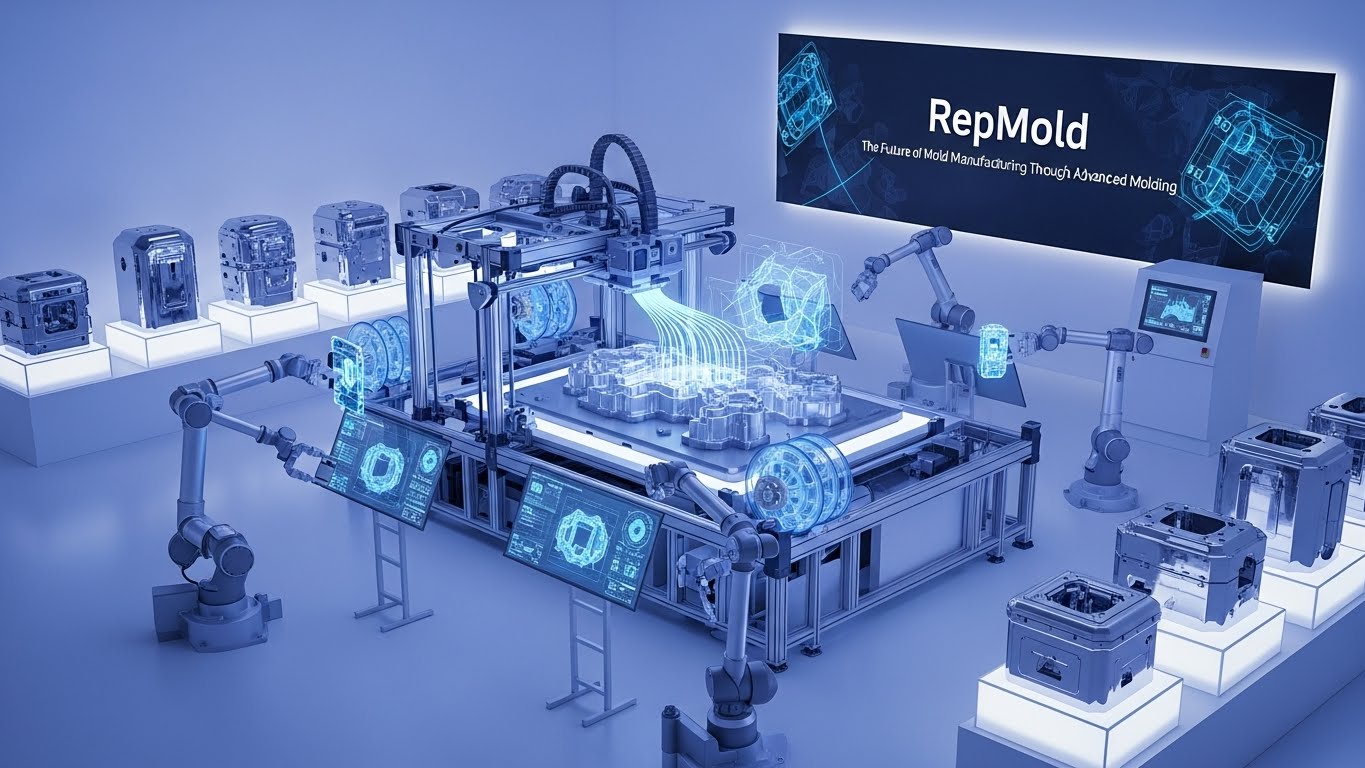
Mold manufacturing is on the brink of a revolutionary shift, and at the forefront of this transformation is RepMold. This innovative approach to molding promises not just efficiency but also precision that can redefine industries. As businesses seek ways to adapt in an ever-changing market, advanced molding techniques are paving the way for unparalleled possibilities. With RepMold leading the charge, manufacturers are beginning to understand how cutting-edge technology can enhance production processes and drive sustainability. Let’s explore what makes RepMold so impactful and discover how it stands as a beacon for the future of mold manufacturing through advanced molding solutions.
What is Advanced Molding?
Advanced molding refers to innovative techniques that enhance traditional mold manufacturing processes. It goes beyond conventional methods, integrating modern technology and materials.
This approach often utilizes computer-aided design (CAD) and 3D printing. These technologies allow for precise modeling and rapid prototyping, leading to faster production times.
Thermoplastics and advanced composites are frequently employed in advanced molding, offering superior strength-to-weight ratios. This not only improves product durability but can also reduce material waste.
Additionally, advanced molding facilitates intricate designs that were previously difficult or impossible to achieve with traditional methods. Complex geometries can now be crafted effortlessly.
The integration of these advancements is reshaping how manufacturers think about mold creation and its applications across various industries. Each step forward opens new possibilities for innovation in product development.
Benefits of Using RepMold for Mold Manufacturing
RepMold revolutionizes the mold manufacturing process. Its precision minimizes errors and enhances production quality. With RepMold, manufacturers can achieve tighter tolerances that traditional methods often struggle to deliver.
Speed is another significant advantage. The advanced technology behind RepMold accelerates production cycles, allowing companies to meet tight deadlines without compromising quality. This efficiency can lead to increased profitability.
Cost-effectiveness plays a crucial role too. By reducing material waste and optimizing resource use, RepMold helps businesses save on operational expenses. This financial benefit makes it an attractive option for both large-scale operations and smaller enterprises.
Flexibility in design is another perk of using RepMold technology. It accommodates complex shapes and intricate details with ease, opening up new creative possibilities for designers and engineers alike.
Examples of Successful Use Cases
RepMold has transformed various industries with its innovative approach to mold manufacturing. One standout example is the automotive sector, where companies have utilized RepMold technology to create complex components that enhance vehicle performance and safety.
In the consumer electronics market, brands leverage RepMold for producing lightweight yet durable casings. This results in sleek designs without sacrificing strength. The precision offered by advanced molding techniques allows for intricate details that appeal to tech-savvy consumers.
Another noteworthy use case is in medical device manufacturing. By employing RepMold processes, manufacturers can produce custom molds tailored precisely to specific needs—ensuring both effectiveness and compliance with stringent regulations.
The aerospace industry also benefits significantly from this technology. Components crafted through RepMold are often lighter, which contributes directly to fuel efficiency and enhanced flight performance—key factors in modern aviation advancements.
Challenges and Limitations of RepMold
While RepMold is revolutionizing the mold manufacturing landscape, it does have its challenges. One significant hurdle is the initial investment in technology and equipment. Small to medium-sized enterprises may find this barrier daunting.
Another limitation lies in material compatibility. Not all materials are suitable for advanced molding techniques, which can restrict design options. This sometimes leads to compromises that manufacturers must navigate carefully.
Additionally, the learning curve associated with new technologies poses a challenge for teams accustomed to traditional methods. Training staff effectively takes time and resources.
Quality control remains a concern as processes become more automated. Ensuring consistent output requires robust monitoring systems and protocols that might not be fully established yet in some facilities. These factors together highlight why navigating RepMold’s adoption isn’t without its complexities.
Future Developments and Possibilities in Advanced Molding
The future of advanced molding promises exciting innovations. As technology evolves, we can expect faster production times and improved precision in mold manufacturing.
Emerging materials will likely play a crucial role. Biodegradable plastics and high-performance composites could reshape the industry landscape. These materials not only enhance product quality but also align with sustainability goals.
Automation is another catalyst for change. Incorporating AI and machine learning into the molding process will optimize efficiency and reduce human error. Factories might soon operate with minimal supervision, allowing for seamless scalability.
Collaboration across industries is set to foster breakthroughs as well. Merging insights from tech firms with traditional manufacturers can yield hybrid solutions that push boundaries further than ever before.
Anticipate more customization options too, enabling businesses to create tailored products that meet specific consumer demands swiftly and effectively. The horizon looks promising for anyone connected to RepMold’s journey in advanced molding technologies.
Conclusion:
The evolution of mold manufacturing is here, and RepMold stands at the forefront. With its innovative approach to advanced molding techniques, it promises not just efficiency but also sustainability in production.
As industries continue to embrace cutting-edge technologies, RepMold offers a glimpse into a future where manufacturing is smarter and more adaptable. The benefits are clear: reduced waste, faster turnaround times, and enhanced design flexibility. These advantages translate into significant cost savings for businesses looking to stay competitive.
While challenges remain—such as initial setup costs and the need for skilled operators—the potential of RepMold cannot be ignored. Success stories from various sectors highlight that when implemented thoughtfully, this technology can transform traditional practices.
Looking ahead, advancements in materials science and automation will likely open new doors for RepMold applications. As research continues to evolve this field further, manufacturers who adopt these innovations early on may find themselves leading their markets.
RepMold isn’t just about changes; it’s about revolutionizing how we think about mold manufacturing today and tomorrow.