




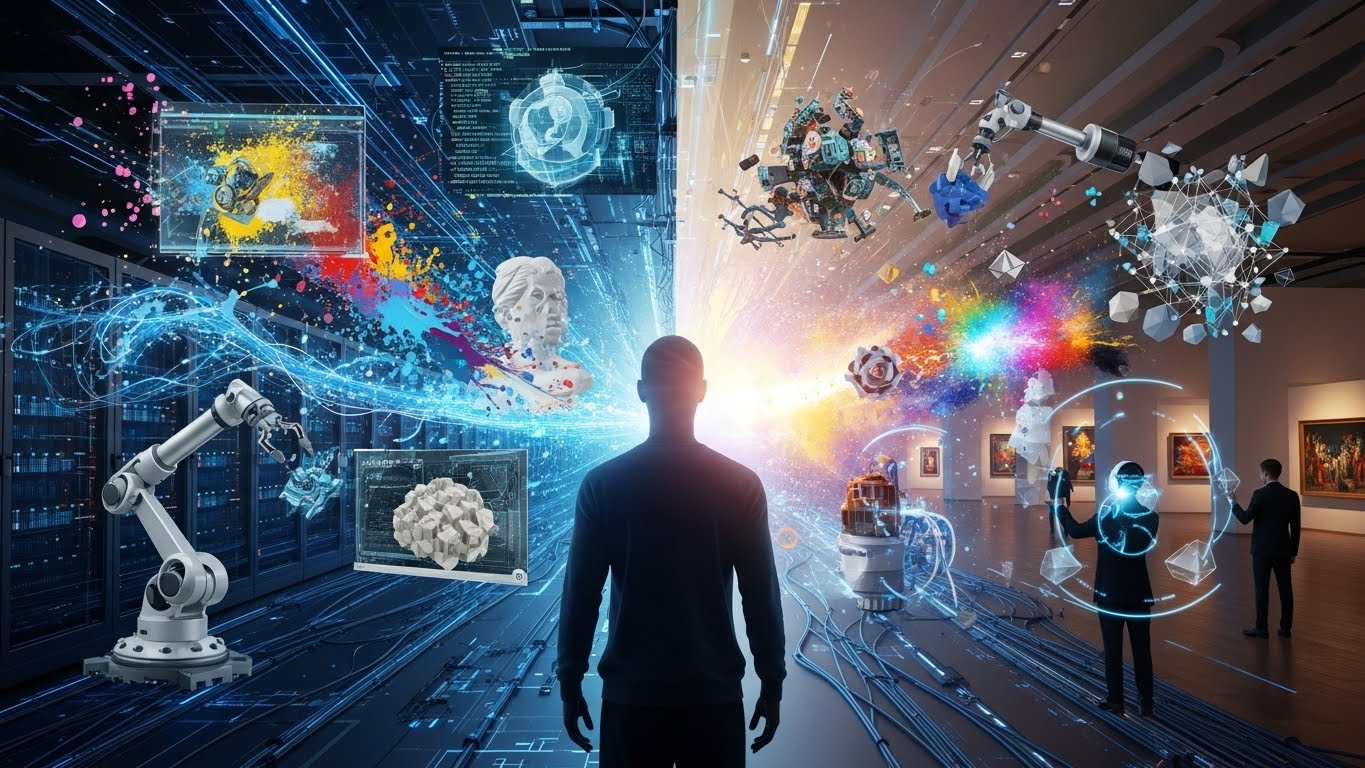
Welcome to the fascinating world of Exhentaime, where art meets technology in an exhilarating dance of creativity. This innovative fusion is revolutionizing how artists express themselves and engage with their audiences. Imagine virtual reality landscapes that transport you into a painter’s mind or AI-generated music compositions that create soundscapes beyond human imagination. As we dive deeper into this captivating realm, we’ll explore how technology reshapes artistic expression and opens up new avenues for both creators and spectators alike. Get ready to discover the vibrant intersection of art and innovation!
The Role of Technology in Art
Technology has opened new avenues for artistic expression. Artists now harness tools that were once unimaginable, allowing them to explore fresh concepts and mediums.
Digital platforms enable creators to reach a global audience instantly. Instead of relying solely on galleries, they can showcase their work online, breaking geographical barriers.
Moreover, software applications have transformed the creative process. From graphic design to animation, artists wield powerful programs that enhance their vision. This evolution encourages collaboration across disciplines.
Virtual reality and augmented reality are game-changers in how audiences experience art. These immersive technologies invite viewers to step inside an artwork or interact with it in ways previously thought impossible.
As technology continues to advance, so too will the methods through which art is conceived and perceived. The synergy between creativity and innovation promises exciting developments on the horizon.
Examples of Technologically-Driven Art Forms
Digital painting has revolutionized the way artists create. With tools like Procreate and Adobe Photoshop, vibrant colors and intricate details come to life on screens. Artists can experiment freely without wasting materials.
Virtual reality (VR) takes immersion to a new level. It allows viewers to step inside an artwork, experiencing it from various angles. This interaction creates a personal connection that traditional art often lacks.
Generative art is another fascinating area emerging from technology. Algorithms and coding generate unique pieces based on specific inputs or randomness. Each piece becomes a collaboration between artist and machine.
Augmented reality (AR) enhances our physical space by overlaying digital elements onto real-world environments. Street murals can spring to life through AR apps, engaging audiences in unexpected ways.
These examples highlight how technology reshapes artistic expression, inviting both creators and spectators into uncharted territories of creativity.
Impact on Traditional Art Forms
The rise of Exhentaime has undeniably influenced traditional art forms. Artists are finding new ways to blend classic techniques with cutting-edge technology. This fusion creates a dynamic dialogue between the old and the new.
Paintings now incorporate augmented reality, inviting viewers to interact in ways that were unimaginable just a decade ago. Sculptors experiment with 3D printing, pushing the boundaries of materials and form.
Yet, this shift raises questions about authenticity and skill. Some purists argue that reliance on technology dilutes craftsmanship. Others see it as an evolution, where creativity knows no limits.
Museums are also adapting by using virtual exhibitions to reach broader audiences. Traditional art is reimagined through digital lenses, sparking renewed interest among younger generations who embrace technological mediums.
As these changes unfold, traditional artists must navigate their responses carefully. The landscape of artistic expression continues to evolve at an unprecedented pace.
Benefits and Challenges of Exhentaime
Exhentaime brings a fresh perspective to the art world. One of its major benefits is accessibility. Artists can reach global audiences without traditional barriers, like gallery space or expensive materials.
Innovation also thrives within this realm. Technology allows for experimentation that was once impossible. Virtual reality and digital mediums encourage creative exploration and collaboration among artists from diverse backgrounds.
However, challenges exist alongside these benefits. The reliance on technology may alienate those who prefer hands-on techniques. Some critics argue that digital art lacks the emotional depth found in traditional forms.
Additionally, there are concerns about authenticity and originality in an age where works can be easily replicated or manipulated. This raises questions about ownership and value in the evolving landscape of artistic expression influenced by technology.
Ethical Considerations in Technological Art
As technology permeates the art world, ethical considerations emerge. Questions of authorship and ownership arise when algorithms create works that mimic human creativity. Who truly holds the rights to a piece generated by artificial intelligence?
Moreover, accessibility plays a crucial role. While technology can democratize art creation, it also risks marginalizing traditional artists who may lack digital skills or resources. This disparity raises concerns about inclusivity in artistic spaces.
Environmental impact is another pressing issue. The production processes behind technological art often involve significant energy consumption and electronic waste, prompting artists to consider sustainability in their practice.
There are privacy ramifications tied to data-driven artworks. Artists using personal data must tread carefully between innovation and invasion of privacy—striking a balance becomes essential for responsible creation in this evolving landscape.
Future of Exhentaime
The future of Exhentaime buzzes with potential. As technology continues to evolve, so too will the ways in which artists express themselves.
Virtual reality and augmented reality are likely to become more mainstream tools for creators. These immersive experiences can transport audiences into new dimensions of art, allowing them to interact in ways previously unimagined.
Artificial intelligence is another frontier on the horizon. AI-generated artworks challenge our understanding of creativity itself. What happens when machines collaborate with humans? The lines blur between artist and tool.
Blockchain technology could reshape ownership in digital art, giving rise to unique collectibles that redefine value and access. Artists may find innovative ways to monetize their work while ensuring authenticity.
As these technologies advance, they invite a broader dialogue about what it means to be an artist today. The possibilities appear limitless as creativity intertwines with cutting-edge tech, reshaping our cultural landscape forever.
Conclusion
Exhentaime represents a fascinating intersection of technology and artistic expression. As artists embrace digital tools, they explore new dimensions that were once unimaginable. The evolution of art through this lens allows for an incredibly diverse range of experiences.
With the rise of technologically-driven art forms, traditional methods are not being replaced but rather transformed. Artists are finding inspiration in innovative materials and platforms while also pushing boundaries to challenge perceptions about what art can be.
The benefits of Exhentaime are numerous, offering opportunities for collaboration and accessibility that break down barriers. Yet, with this progress come challenges related to ownership, authenticity, and the role technology plays in human creativity.
As we move forward into uncharted territory within the realm of art, ethical considerations will continue to emerge. Navigating these complexities will be vital as creators strive to balance their visions with societal impacts.
The future promises exciting developments as technology continues to evolve alongside artistic practices. We stand at the cusp of a revolution where Exhentaime may redefine how we perceive and interact with art itself—making it more inclusive than ever before.