





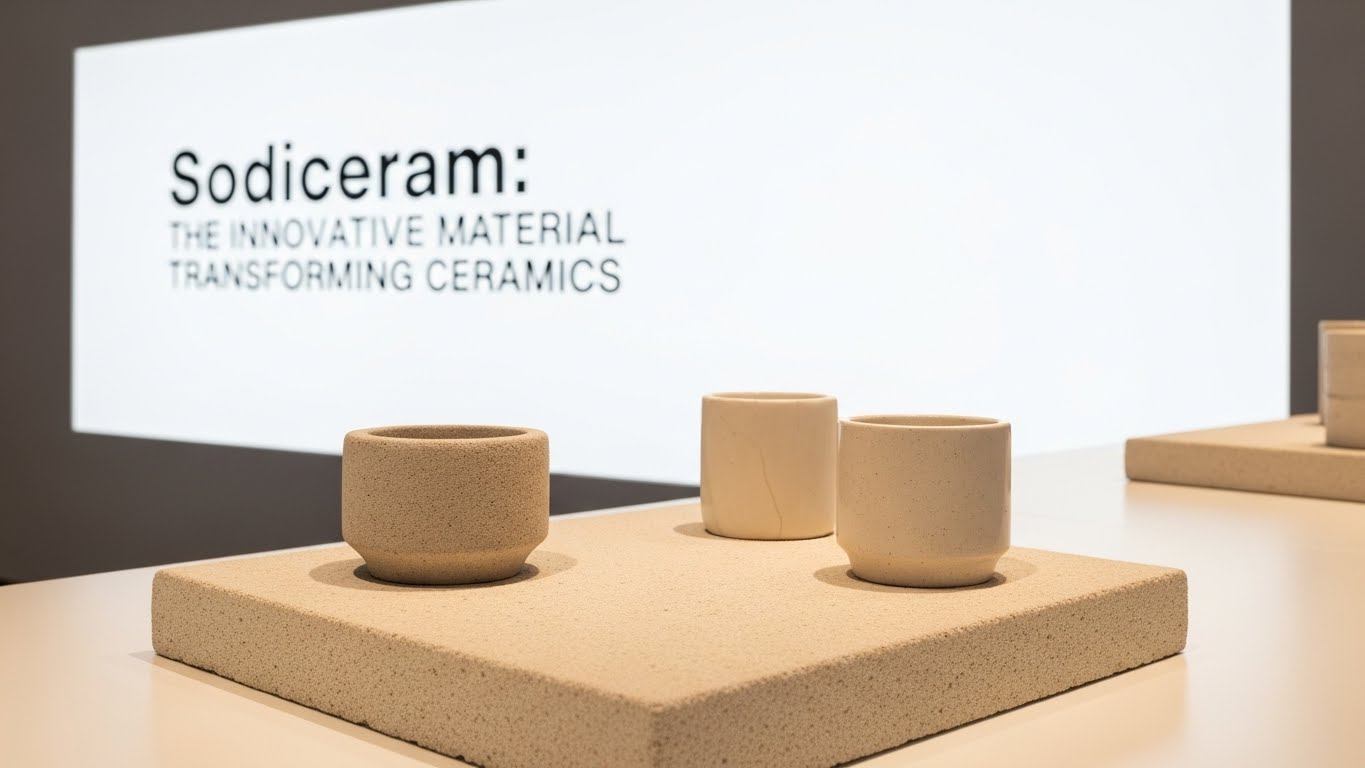
Welcome to the world of Sodiceram, where innovation meets tradition in the realm of ceramics. This groundbreaking material is turning heads and reshaping industries with its remarkable properties. Born from a fusion of advanced technology and age-old craftsmanship, Sodiceram stands out as a game-changer in the field. Imagine a ceramic that not only boasts enhanced durability but also embraces sustainability—sounds intriguing, doesn’t it? Join us on this journey as we explore the origins, unique qualities, and endless possibilities of Sodiceram.
The Unique Properties of Sodiceram
Sodiceram stands out due to its remarkable structural integrity. This innovative material boasts exceptional strength while remaining lightweight, making it ideal for a variety of applications.
One noteworthy characteristic is its thermal resistance. Sodiceram can withstand extreme temperatures without compromising quality or performance. Its ability to endure both heat and cold makes it suitable for environments that experience drastic temperature changes.
Another fascinating property is its versatility in design. Whether it’s intricate patterns or bold colors, sodiceram holds pigments brilliantly, allowing for aesthetically pleasing creations that do not fade over time.
Additionally, this material exhibits impressive durability against wear and tear. It resists chipping and scratching better than traditional ceramics, ensuring longevity in everyday use.
Sodiceram’s non-porous surface prevents the absorption of liquids and stains, which makes maintenance simple and hassle-free—an appealing feature for modern consumers seeking convenience in their materials.
Applications and Uses in Various Industries
Sodiceram is making waves across diverse sectors. Its versatility allows it to be utilized in architecture, where stunning facades and tiles showcase both beauty and durability.
In the medical field, Sodiceram shines as a reliable material for dental applications. This innovative ceramic supports oral health with impressive strength and aesthetics.
The automotive industry also benefits from Sodiceram’s lightweight properties. Manufacturers are exploring its potential in producing components that require resilience without adding excess weight.
Electronics companies value Sodiceram for its excellent thermal stability, ensuring efficient performance in high-temperature environments.
Moreover, artists and designers have embraced this material to create unique sculptures and functional art pieces. The possibilities seem endless as industries continue to discover new ways to leverage the remarkable attributes of sodiceram.
Advantages Over Traditional Ceramic Materials
Sodiceram stands out when compared to traditional ceramic materials. Its enhanced durability is a game changer. This material can withstand higher temperatures and resist cracking, making it ideal for demanding applications.
Another significant advantage lies in weight. Sodiceram is lighter than conventional ceramics without sacrificing strength. This feature allows for easier handling and installation across various projects.
Moreover, the flexibility of design options with sodiceram is impressive. It can be molded into intricate shapes that would typically challenge standard ceramics. This versatility opens doors to innovative designs in architecture and product development.
Additionally, sodiceram offers improved thermal insulation properties. This means better energy efficiency in buildings or appliances using this material, reducing overall costs over time.
Its resistance to staining ensures longevity in appearance and performance, minimizing maintenance needs while maintaining aesthetic appeal.
Environmental Impact and Sustainability
Sodiceram shines in terms of environmental impact and sustainability. Its production processes are designed to minimize waste, making it a greener alternative to traditional ceramics.
The raw materials used in sodiceram are often sourced sustainably. This reduces the strain on natural resources while ensuring a lower carbon footprint during manufacturing.
Additionally, sodiceram products boast impressive durability. Their long lifespan means less frequent replacements, contributing to reduced waste over time.
Recyclability is another significant advantage. At the end of their life cycle, sodiceram items can be repurposed or recycled with ease, keeping them out of landfills.
By integrating innovative design and sustainable practices, sodiceram not only meets current demands but also paves the way for a more eco-conscious future in material science.
Future Possibilities and Innovations with Sodiceram
The future of sodiceram is brimming with potential. Researchers are exploring its use in advanced fields like biomedicine and aerospace. Imagine implants that seamlessly integrate into the human body or lightweight components for aircraft that enhance fuel efficiency.
Innovations in 3D printing technology could revolutionize how sodiceram is produced. This method allows for intricate designs that were once impossible, enabling customized solutions tailored to specific needs.
Additionally, developers are investigating smart ceramics infused with sensors. These materials could monitor stress levels and environmental conditions, offering real-time data feedback for various applications.
As industries seek greener alternatives, sodiceram’s eco-friendly attributes will likely lead to groundbreaking developments in sustainable architecture and construction. The possibilities seem endless as we tap into this remarkable material’s capabilities.
Conclusion:
Sodiceram is shaping the future of ceramics in exciting ways. With its unique properties, it stands out from traditional materials. Industries are already leveraging sodiceram’s versatility and durability for a range of applications.
The advantages it offers over conventional ceramics enhance performance and efficiency, making it a compelling choice for manufacturers. Moreover, its environmentally friendly nature aligns perfectly with today’s sustainability goals.
As innovation continues to unfold, sodiceram promises even more possibilities ahead. Its potential impact on various sectors makes it an important material to watch as we move forward into an era defined by advanced technology and sustainable practices. Whether you’re in construction, art, or manufacturing, keeping an eye on sodiceram could open doors to new opportunities that redefine your approach to ceramics.