



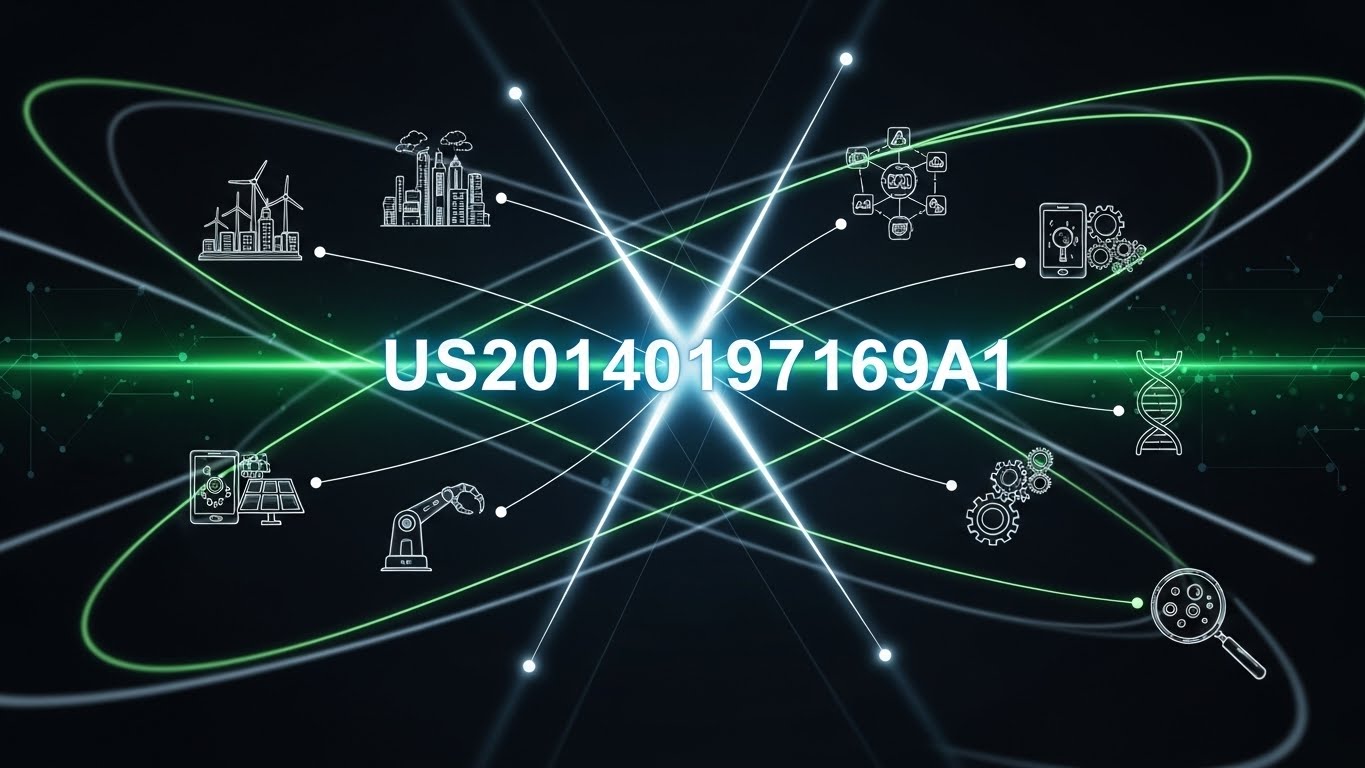
The landscape of innovation is constantly evolving, and every now and then, a patent emerges that promises to redefine our future. Enter US20140197169A1—a groundbreaking invention that has caught the attention of experts and enthusiasts alike. As we delve into this remarkable patent, we’ll explore what it entails, its potential benefits for society, and how it could influence various industries moving forward. This isn’t just another technical document; it’s a catalyst for change in the way we think about technology and its role in our lives. Buckle up as we uncover the fascinating world behind US20140197169A1!
Explanation of the Invention
The US20140197169A1 patent introduces an innovative approach that leverages advanced technology to address specific challenges in various sectors. At its core, the invention focuses on enhancing efficiency and user experience through unique methodologies.
By utilizing a combination of algorithms and data processing techniques, this patent streamlines processes that were once cumbersome. The design not only optimizes functionality but also ensures adaptability across diverse applications.
One notable feature is its capacity for real-time analysis. This allows systems to respond dynamically to changing conditions or inputs, significantly improving performance metrics.
Moreover, the invention emphasizes user accessibility. It simplifies complex tasks into more manageable components without sacrificing quality or effectiveness. Such advancements are poised to redefine standards in multiple fields, fostering innovation and growth within industries that adopt this technology.
Benefits and Potential Impact on Society
The US20140197169A1 patent introduces innovative solutions that could significantly enhance daily life. By improving efficiency and convenience, this invention holds the potential to reshape how we interact with technology.
One of its key benefits lies in accessibility. It aims to bridge gaps, making advanced tools available to a broader audience. This democratization of technology can empower individuals and communities alike.
Moreover, the environmental implications are profound. The patent promotes sustainable practices that could lead to reduced waste and energy consumption, fostering a healthier planet for future generations.
Social dynamics may also see shifts as collaboration becomes easier across various sectors. Enhanced communication tools can spark creativity and innovation, driving progress at an unprecedented pace.
In essence, the ripple effects of US20140197169A1 could transform not just industries but societal interactions as well. Its far-reaching impact remains a point of fascination for researchers and entrepreneurs alike.
Industries that Can Benefit from this Patent
The US20140197169A1 patent holds promise for a variety of industries. One notable sector is healthcare. Advanced technologies derived from this patent could streamline patient data management, enhancing both efficiency and accuracy in medical records.
Manufacturing stands to gain significantly as well. With innovative processes outlined in the patent, companies can optimize production lines and reduce waste, leading to more sustainable practices.
Moreover, the tech industry may experience a boost through improved software applications that stem from these concepts. Enhanced algorithms could lead to smarter devices and user experiences.
Additionally, education technology might evolve rapidly with tools inspired by this invention. Tailored learning platforms could emerge, addressing individual student needs more effectively than ever before.
These sectors are just the beginning; countless others may find unique ways to leverage the insights offered by US20140197169A1 for transformative growth.
Challenges and Controversies Surrounding the Patent
The US20140197169A1 patent is not without its challenges and controversies. Critics argue that the broad scope of the patent could stifle innovation in related fields. This has raised concerns among startups and independent inventors who fear being hindered by potential licensing fees or litigation.
Moreover, some industry experts question the novelty of the invention itself. They believe it builds on existing technologies rather than introducing groundbreaking ideas. Such debates spark discussions about what constitutes true innovation.
Legal battles are also a possibility as companies navigate this intellectual property landscape. The ambiguity regarding interpretations can lead to disputes over infringement claims, complicating market entry for new players.
Additionally, ethical considerations arise when discussing accessibility versus profit motives. The balance between protecting inventions and fostering open-source development remains a contentious topic among advocates for both sides.
Future Applications and Adaptations of the Patent
The potential applications of US20140197169A1 are vast and varied. As technology advances, industries are eager to harness its capabilities. For instance, healthcare could see revolutionary changes in patient monitoring systems.
Wearable devices may integrate this patent’s principles to enhance their functionality. This would allow for real-time data collection and analysis, improving patient outcomes substantially.
In the realm of smart cities, urban planners might use elements from this patent to optimize resource management. Efficient energy distribution and improved transportation systems can arise from its implementation.
Moreover, the entertainment industry isn’t left behind. Virtual reality experiences could be enriched by leveraging concepts within this patent, creating immersive environments that adapt dynamically based on user input.
As more innovators explore these pathways, we can anticipate exciting developments across sectors influenced by US20140197169A1. The adaptability of this invention promises a future filled with groundbreaking advancements.
Conclusion: The Significance of US20140197169A1 in Shaping the Future
The significance of US20140197169A1 cannot be overstated. This patent represents a pivotal moment in technological innovation, offering solutions that resonate far beyond its initial scope. As industries adapt and integrate these advancements, the potential for transformative change becomes increasingly evident.
This invention has opened the door to new possibilities, fostering efficiency and creativity across various sectors. The benefits it provides are not limited to economic gains; they also contribute to societal well-being by addressing pressing challenges.
As we look ahead, it’s clear that US20140197169A1 will continue to shape our future. Its applications may evolve as technology advances, but its core principles remain relevant. Stakeholders from diverse fields must collaborate to harness its full potential while navigating any associated challenges or controversies.
By keeping an eye on this patent’s trajectory, we can better understand how innovations like US20140197169A1 will influence our lives moving forward—creating a landscape where progress is both sustainable and inclusive.