





Amazon has changed the way we shop forever. What started as a humble online bookstore has transformed into a colossal marketplace that caters to millions around the globe. With just a few clicks, you can find everything from household essentials to the latest tech gadgets—all delivered straight to your door. This revolution in e-commerce has reshaped consumer behavior and set new standards for convenience, speed, and variety. As we delve deeper into Amazon’s journey and its influence on both shoppers and traditional retailers, it’s clear that we’ve entered an era where shopping is not just about purchasing—it’s about experiencing innovation at every turn.
The Evolution of Amazon: From Online Bookstore to Global Retail Giant
Amazon started as a humble online bookstore in 1994. Jeff Bezos envisioned a platform that would revolutionize how people purchased books. This vision quickly transformed into something much larger.
By the late ’90s, Amazon expanded its offerings beyond literature. With just a few clicks, customers could now buy electronics, clothing, and home goods. The shift to being an everything store was monumental.
Innovations like customer reviews and personalized recommendations changed the shopping landscape entirely. Shoppers began to trust Amazon not only for its variety but also for user-generated content.
The company’s aggressive growth strategy led it to acquire companies across various sectors. From Whole Foods to Zappos, each purchase broadened Amazon’s retail footprint significantly.
Today, it’s hard to imagine e-commerce without considering Amazon’s influence on consumer habits and expectations globally. The brand has become synonymous with convenience and choice in shopping experiences everywhere.
Amazon Prime: Changing the Game with Fast Delivery and Exclusive Benefits
Amazon Prime has transformed the way we shop. With its promise of fast delivery, it pushes the boundaries of convenience. Imagine ordering a product and receiving it within hours or just one day. This rapid service turns shopping into an almost instant gratification experience.
Exclusive benefits elevate the membership beyond simple shipping perks. Members gain access to streaming services, exclusive deals, and early sales notifications. These features create added value that traditional retail can’t match.
The sense of community among Prime members is palpable. They share tips on maximizing their subscription while enjoying unique offerings like Prime Video’s original content and music streaming options.
As more consumers flock to this service, retailers are forced to rethink their strategies entirely. The influence of Amazon Prime reshapes expectations around speed and quality in e-commerce every day.
Prime Day: A New Shopping Holiday for Consumers and Businesses
Prime Day has quickly become a notable event on the shopping calendar. Launched by Amazon, it offers exclusive deals that capture attention worldwide.
For consumers, it’s an opportunity to snag significant discounts across countless categories. Electronics, home goods, and fashion are just a few sectors where shoppers can find unbeatable prices.
Businesses benefit too. Small sellers often see increased visibility during this period as they participate in promotions alongside big brands. This influx of traffic can lead to substantial sales growth.
The excitement surrounding Prime Day generates buzz beyond just discounts; it fosters a sense of community among deal-hunters eager to share their finds online. Social media lights up with posts showcasing impressive purchases and savings tips.
In essence, Prime Day represents more than just another sale day—it’s transformed into a cultural phenomenon that encourages both consumer engagement and entrepreneurial spirit.
Advantages of Shopping on Amazon: Convenience, Variety, and Cost Savings
Shopping on Amazon brings unparalleled convenience right to your fingertips. With just a few clicks, you can browse millions of products from the comfort of your home or on the go. No need to navigate crowded stores or stand in long checkout lines.
The variety available is astonishing. Whether you’re hunting for electronics, fashion, or household items, Amazon has it all. You can easily compare prices and read reviews before making a purchase decision.
Cost savings are another significant advantage. Many products come with competitive pricing, and regular deals make it easier to stick to a budget. Plus, with options like Subscribe & Save and daily discounts, shoppers often find themselves scoring great bargains without much effort.
This blend of convenience, extensive selection, and affordability makes Amazon a preferred choice for many consumers worldwide.
Challenges Faced by Traditional Retailers in the Face of Amazon’s Dominance
Traditional retailers are grappling with a seismic shift in consumer behavior. With Amazon’s unmatched convenience, many shoppers prefer browsing and purchasing online rather than visiting brick-and-mortar stores.
The vast product selection on Amazon often leaves local shops struggling to compete. Smaller retailers can’t match the inventory or variety available at their fingertips on the digital giant’s platform.
Price competition is another hurdle. Many consumers flock to Amazon for the best deals, making it tough for traditional businesses to maintain profitability while keeping prices competitive.
Additionally, customer expectations have evolved. Fast shipping and seamless returns are now standard practices due to Amazon’s influence. This has created pressure on physical stores to innovate their service offerings.
Advertising budgets play a crucial role in visibility. Without significant marketing resources, traditional retailers find it challenging to attract attention amid the noise of an online marketplace dominated by one brand.
The Future of Amazon and E-commerce:
The future of Amazon and e-commerce is poised for exciting transformations. As technology advances, we can expect more personalized shopping experiences. Artificial intelligence will analyze consumer preferences to provide tailored recommendations.
Sustainability is also becoming a priority. Amazon has committed to reducing its carbon footprint, pushing for eco-friendly packaging and delivery methods. This aligns with global trends toward conscious consumption.
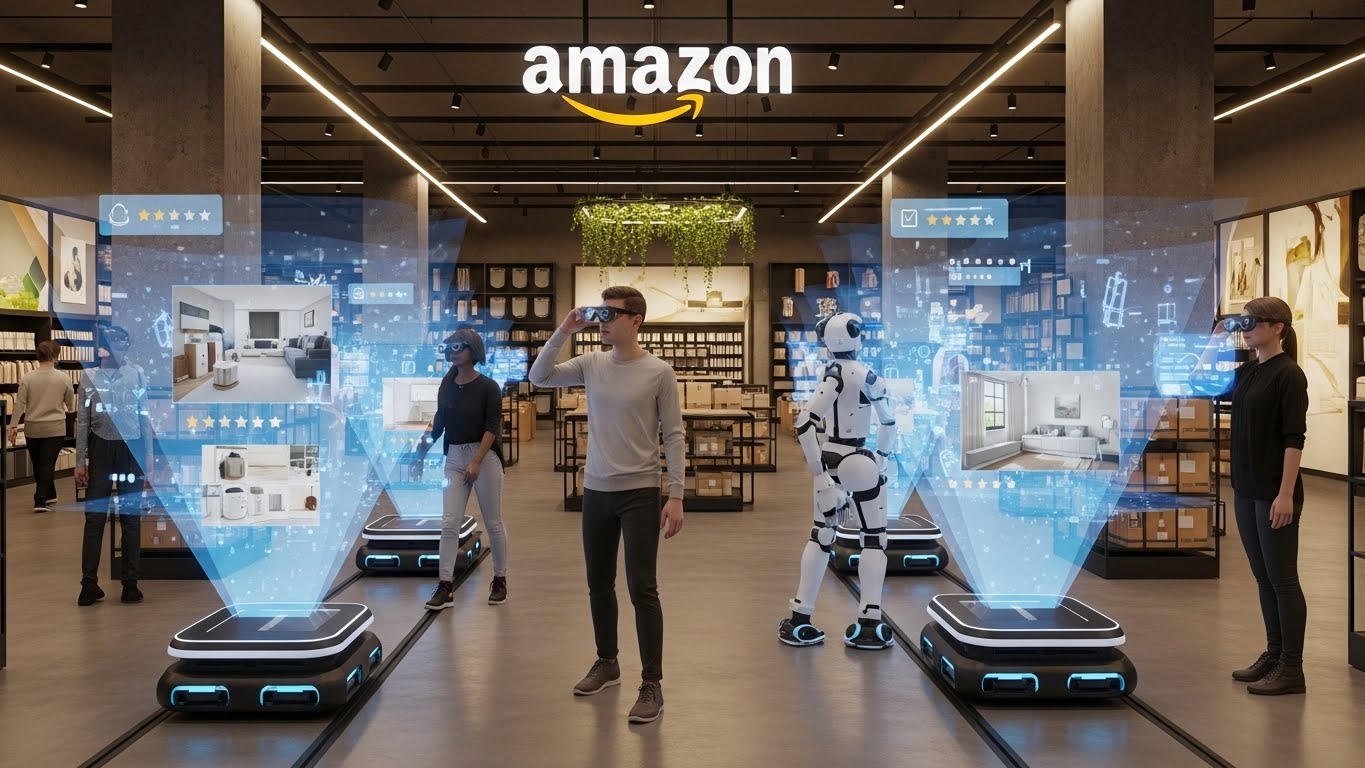
Moreover, the integration of augmented reality could revolutionize how consumers interact with products online. Imagine trying on clothes or visualizing furniture in your space before making a purchase.
Voice commerce is gaining traction as smart speakers become commonplace in households. Shoppers may soon simply speak their orders instead of typing them out.
Blockchain technology could enhance transparency in supply chains, ensuring product authenticity from manufacturer to customer. With these innovations on the horizon, Amazon’s role in shaping e-commerce remains pivotal and dynamic.
Conclusion
Amazon has truly revolutionized the shopping experience for consumers and businesses alike. Through its innovative approach, it has transformed from a simple online bookstore into an indispensable global retail giant. The introduction of Amazon Prime brought about a new era in e-commerce, emphasizing speed and exclusive benefits that keep customers coming back.
Prime Day emerged as a groundbreaking event, creating excitement around shopping while benefiting both consumers and sellers. With unmatched convenience, diverse product offerings, and significant cost savings, Amazon continues to attract millions of shoppers each day.
However, traditional retailers face mounting challenges as they navigate this ever-evolving landscape dominated by Amazon’s influence. Many are adapting their strategies to compete effectively amidst changing consumer behaviors.
As we look ahead at the future of Amazon and e-commerce overall, it’s clear that innovation will continue to shape how we shop. Whether through technological advancements or enhanced customer experiences, the journey is far from over. The ripple effects of these developments on the retail industry will be fascinating to watch unfold in the years to come.