






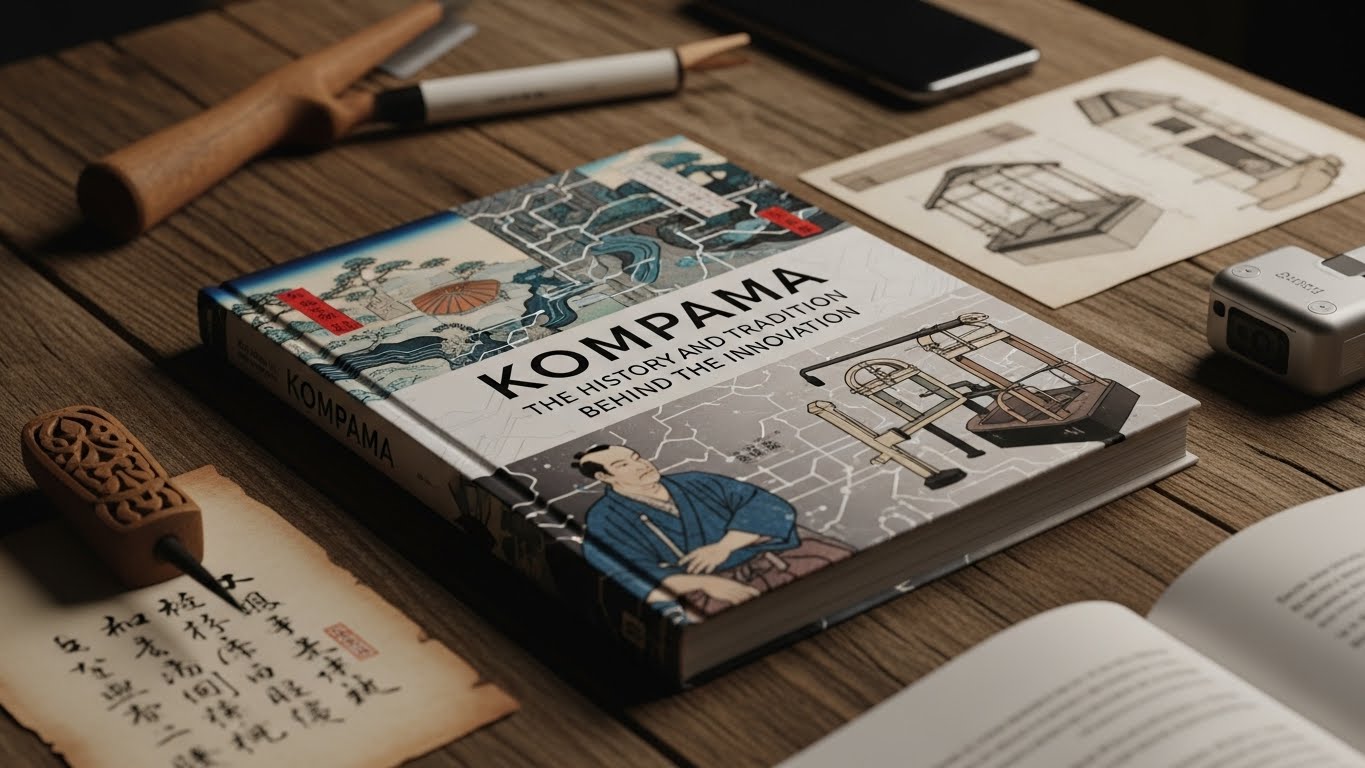
Kompama is more than just a name; it’s a journey through time and tradition. This unique cultural artifact has captured the hearts of many, weaving together stories of innovation and heritage. As we delve into the rich history behind Kompama, we’ll discover its origins, significance in various cultures, and how it continues to adapt in modern society. Join us on this exploration of Kompama—a tale that resonates with both nostalgia and contemporary creativity. Whether you’re familiar with it or hearing about it for the first time, there’s something captivating waiting for you within its legacy.
The Origin and Evolution of Kompama
Kompama has its roots deeply embedded in the rich tapestry of tradition. Originally crafted by local artisans, this unique item emerged as a symbol of cultural identity. Its creation dates back centuries, reflecting the practices and beliefs of those who first shaped it.
Over time, Kompama transformed from a simple craft to an essential element in various rituals and celebrations. The techniques used in making it evolved too, incorporating influences from neighboring cultures while maintaining its distinct essence.
As communities expanded and modernized, so did the interpretations of Kompama. While it remained true to its origins, innovative methods began to surface alongside traditional approaches. This fusion brought about variations that appealed to younger generations seeking both heritage and contemporary flair.
Today, Kompama stands not only as a relic of history but also as an evolving masterpiece that continues to adapt within our changing world.
Cultural Significance of Kompama
Kompama holds deep cultural significance in many communities. It serves as a symbol of heritage, connecting generations through shared traditions.
In various festivals and ceremonies, Kompama takes center stage. Its preparation is often a communal effort, fostering unity among families and friends. The act of making it can be seen as storytelling—each ingredient has its meaning rooted in history.
Moreover, Kompama acts as a bridge between the past and present. Many artisans incorporate modern techniques while respecting traditional methods, showcasing adaptability without losing authenticity.
Through this culinary art form, individuals express their identity and pride. Sharing Kompama becomes an act of love that reinforces bonds within the community.
As customs evolve over time, the essence of Kompama continues to inspire new interpretations while honoring its rich legacy.
The Process of Making Kompama
The journey of making Kompama begins with carefully selecting the raw ingredients. This includes traditional staples like rice and various spices, which are crucial for achieving the right flavor profile.
Once gathered, the rice is soaked overnight to soften it. This step enhances its texture during cooking. After soaking, it’s ground into a fine paste. The grinding should be meticulous; achieving just the right consistency makes all the difference.
Next, skilled hands blend in spices and other elements according to family recipes passed down through generations. Each recipe has its own unique twist that reflects cultural heritage.
Cooking follows this preparation phase. The mixture is steamed until it’s perfectly set—fluffy yet firm—a process requiring keen attention to timing and heat control.
Once cooled, Kompama can be sliced or shaped as desired before serving. It embodies not just flavor but also tradition in every bite.
Modern Uses and Variations of Kompama
Kompama has evolved significantly over the years, finding its way into modern culinary practices. Chefs and home cooks alike are experimenting with this traditional ingredient in innovative dishes.
Today, you might find kompama flavors infused in gourmet sauces or as a unique twist in fusion cuisine. It adds depth to everything from savory entrees to sweet desserts.
Beyond the kitchen, kompama is making waves in beverages too. Craft breweries and artisanal distilleries have started incorporating it into beer and spirits, enhancing their flavor profiles.
Social media platforms showcase these creative adaptations, inspiring others to explore different ways of enjoying kompama. This renewed interest not only keeps the tradition alive but also invites younger generations to engage with cultural heritage through food innovation.
As people become more adventurous eaters, the versatility of kompama continues to shine brightly across diverse dining experiences.
Impact on the Community and Economy
Kompama plays a crucial role in the community, shaping both cultural identity and economic growth. Local artisans dedicate themselves to this craft, creating jobs and fostering skills passed down through generations.
As interest in Kompama grows, so does its potential for tourism. Visitors are drawn to experience traditional crafting techniques firsthand, boosting local businesses such as shops and eateries. This influx of tourists creates a ripple effect throughout the economy.
Moreover, Kompama encourages sustainable practices within communities. Many producers prioritize using natural materials sourced from their surroundings. This not only protects the environment but also strengthens local supply chains.
By supporting events that celebrate Kompama, communities can unite around their shared heritage while promoting economic resilience. The impact is profound; it nurtures pride among residents while showcasing cultural richness to outsiders.
Preserving the Tradition: Challenges and Solutions
Preserving the tradition of Kompama faces several challenges. Modernization has shifted preferences, drawing younger generations away from traditional practices. Fast-paced lifestyles often leave little room for artisanal crafts.
Additionally, sourcing authentic materials can be difficult. As demand rises, quality may suffer due to mass production methods. This threatens the essence that makes Kompama unique.
However, there are solutions on the horizon. Community workshops and educational programs aim to rekindle interest among youth. By integrating technology with tradition, artisans can showcase their skills online.
Collaborations between local businesses and cultural organizations foster awareness too. Initiatives that highlight the economic benefits of preserving Kompama encourage broader support.
By embracing innovation while respecting heritage, it’s possible to keep this vibrant tradition alive for future generations. The journey requires effort but holds immense potential for revitalizing community spirit and pride in craftsmanship.
Conclusion
Kompama embodies a rich tapestry of history, culture, and innovation. Its origin is deeply rooted in tradition, yet it has evolved to meet modern needs while retaining its cultural significance. The meticulous process of making Kompama showcases the artistry involved and reinforces community ties.
Today, variations of Kompama are embraced not just for their traditional roots but also for their versatility across different culinary landscapes. This evolution highlights how traditions can adapt without losing essence.
The impact on communities goes beyond sustenance; it’s about creating jobs and fostering local economies. However, preserving this unique craft faces challenges that require collaborative efforts within the community to ensure its survival.
As we explore the world of Kompama further, we discover that it’s more than just a product—it’s a story waiting to be told through each bite and every gathering around the table.