





Posterous was more than just a blogging platform; it was a creative sanctuary for many. Launched in 2008, this innovative service allowed users to share their thoughts, photos, and experiences with remarkable ease. Posterous transformed the way we interacted online by blending simplicity with powerful features that catered to both casual bloggers and serious content creators alike.
In an era dominated by complicated interfaces and overwhelming options, Posterous stood as a beacon of user-friendliness. It offered unique tools that made sharing your voice feel effortless. But what exactly set Posterous apart from other platforms? Let’s dive into the standout features that made it a favorite among its community and helped shape the landscape of blogging as we know it today.
The Features That Set Posterous Apart
Posterous was a game-changer in the blogging world, introducing several features that made it stand out.
One notable aspect was its simplicity and user-friendliness. Anyone could start a blog without needing technical expertise or coding skills.
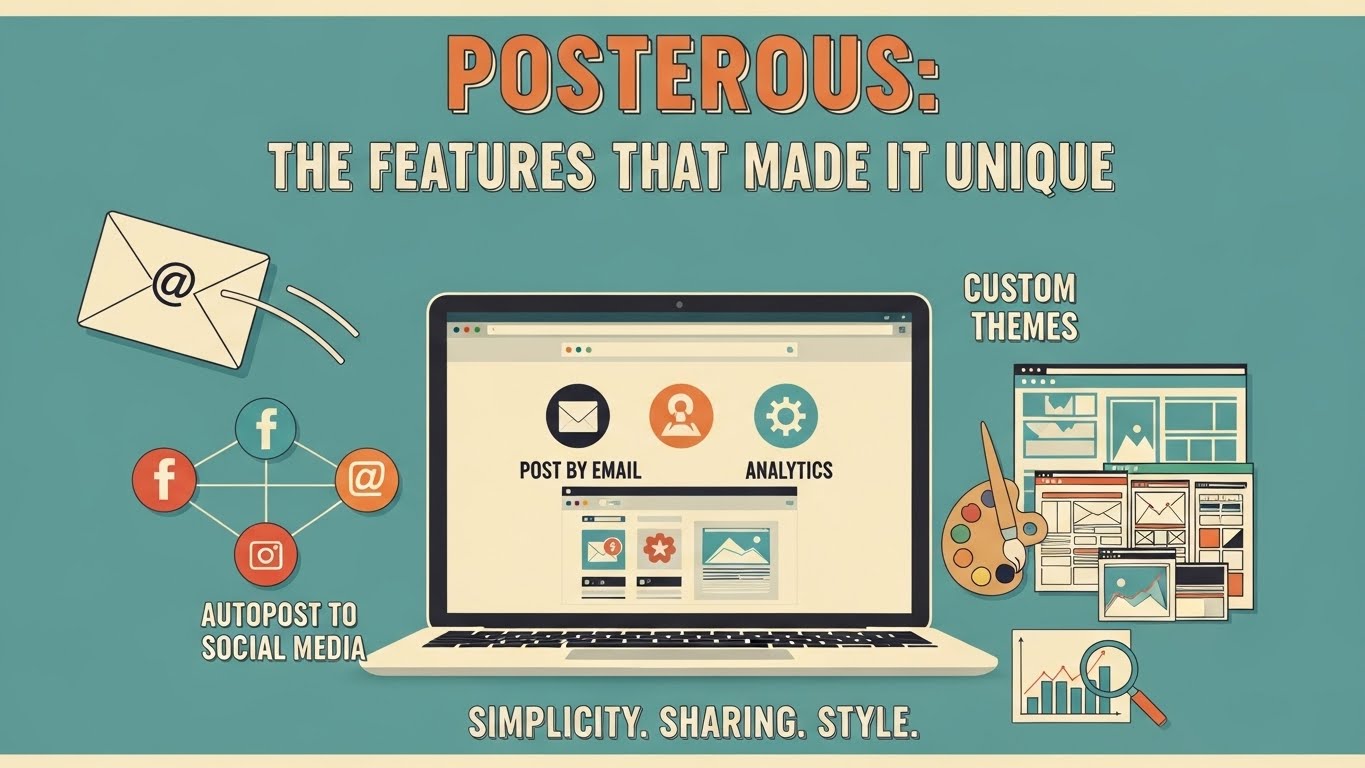
Automatic cross-posting to various social media platforms set Posterous apart as well. Users could effortlessly share their content across multiple channels, increasing visibility and engagement.
Built-in analytics offered valuable insights into audience behavior. This feature allowed users to track performance and tailor future posts accordingly.
Collaboration tools enabled multiple users to contribute seamlessly, fostering a sense of community. Privacy settings ensured that bloggers had control over who accessed their content.
Mobile accessibility transformed how users interacted with their blogs on-the-go. The integration with smartphones simplified posting from anywhere at any time, making blogging more accessible than ever before.
A. Simplicity and User-Friendliness
One of the standout features of Posterous was its remarkable simplicity. Users could create and publish content with just a few clicks. This intuitive design made blogging accessible to everyone, from seasoned writers to complete beginners.
The platform’s clean interface eliminated unnecessary distractions. It focused on what mattered most—sharing ideas effortlessly. A straightforward setup meant users spent less time figuring out how to use the site and more time crafting their posts.
Uploading photos or videos? Just drag and drop them into your post. There were no complicated formatting options or technical hurdles standing in the way of creativity.
Posterous understood that not all users are tech-savvy. By prioritizing user-friendliness, it created an inviting environment for people who simply wanted to express themselves without getting bogged down by complex tools or settings.
B. Automatic Cross-Posting to Other Social Media Platforms
One of the standout features of Posterous was its automatic cross-posting capability. This function allowed users to effortlessly share their content across multiple social media platforms with just a single click.
Imagine writing a blog post and having it simultaneously appear on Facebook, Twitter, and LinkedIn. For busy individuals and brands alike, this feature saved time and streamlined digital presence.
This level of integration meant that creators could reach wider audiences without repetitive manual posting. Followers could engage with posts regardless of their preferred platform.
The convenience encouraged more sharing, enhancing visibility for every piece published. As soon as something new went live on Posterous, it had the potential to resonate everywhere instantly.
This seamless connectivity made staying relevant in fast-paced online environments much simpler for users looking to maintain an active voice across channels.
C. Built-In Analytics and Customization Options
Posterous offered a distinctive approach to blogging with its built-in analytics. Users could monitor their blog’s performance without needing third-party tools. This feature provided insights into visitor behavior, helping bloggers understand what content resonated most.
Customization was another key element that set Posterous apart. Users had the ability to tailor their blogs’ appearance effortlessly. From selecting themes to adjusting layouts, creativity flourished on the platform.
The ease of customization encouraged personal expression among users. With just a few clicks, individuals transformed their spaces to reflect unique styles and interests.
Additionally, integrating analytics informed decisions around content strategy. Bloggers learned which posts attracted attention and engagement levels over time.
This combination of data-driven insights and creative freedom made Posterous not just a blogging tool but a powerful platform for self-expression in the digital landscape.
D. Collaboration and Privacy Settings
Posterous thrived on its collaborative features, allowing users to invite friends and colleagues to contribute to shared blogs seamlessly. This made it an ideal platform for projects that required collective effort or input.
Users could easily manage permissions, ensuring that only invited individuals had access to create or edit posts. This flexibility fostered a sense of community among contributors while maintaining control over content.
Privacy settings played a crucial role in user confidence. Members could choose whether their blog was public or private, offering peace of mind for those who preferred to share their thoughts with select audiences rather than the world at large.
This combination of collaboration tools and privacy options empowered users, encouraging creativity without sacrificing security. The ability to work together in such an accessible manner transformed how people interacted within the blogging space.
E. Mobile Accessibility and Integration
Mobile accessibility was a cornerstone of Posterous. Users could create and manage their blogs straight from their smartphones. This convenience allowed for instant updates, ensuring that no moment worth sharing slipped away.
Integration with email further enhanced its mobile capabilities. A simple email could transform into a blog post, complete with photos and videos attached directly from your device. It made posting effortless and spontaneous.
The platform embraced the on-the-go lifestyle perfectly. Whether you were traveling or relaxing at home, you remained connected to your audience without any hassle.
This seamless experience kept users engaged and encouraged frequent interaction. The simplicity of accessing content wherever you were contributed significantly to Posterous’s appeal in the blogging world.
How These Features Enhanced the User Experience
The standout features of Posterous transformed the way users interacted with their content. Simplicity was at its core, allowing anyone—regardless of technical skill—to create and manage a blog effortlessly.
Automatic cross-posting streamlined sharing across multiple platforms. This meant users could reach wider audiences without duplicating efforts, making engagement more efficient.
Built-in analytics provided insights into user behavior. Bloggers gained valuable data on what resonated with readers, enabling them to tailor future posts accordingly.
Privacy settings offered peace of mind for those who wanted control over their audience. Users could easily collaborate with others while safeguarding sensitive information.
Mobile accessibility allowed posting on-the-go, keeping creativity flowing wherever inspiration struck. The seamless integration ensured that blogging fit naturally into everyday life rather than feeling like a chore.
Posterous’ Impact on Blogging and Social Media
Posterous emerged at a time when blogging was evolving. It provided a seamless experience for users to share content quickly and effortlessly. This simplicity attracted many new voices to the digital space.
Its automatic cross-posting feature changed how bloggers interacted with social media. By allowing users to share posts across multiple platforms, Posterous broke down barriers between blogging and social engagement.
The platform fostered community collaboration, enabling groups of people to come together around shared interests. Users could invite others to contribute or comment, creating rich discussions that enhanced user interaction.
Furthermore, Posterous encouraged creativity through its multimedia support. Bloggers could easily incorporate images, videos, and links into their posts without technical hassle. This emphasis on diverse content made it appealing not just as a blog but as an interactive storytelling tool.
Posterous influenced countless other platforms by setting benchmarks in user experience and integrated sharing capabilities within the blogging landscape.
Why Did It Shut Down?
Posterous, once a thriving platform for bloggers and social media enthusiasts, shut down in April 2013. The decision came as a surprise to many loyal users.
The acquisition by Twitter raised eyebrows. While there was hope for integration with Twitter’s features, management chose to prioritize other projects instead of developing Posterous further.
User engagement dwindled over time. New blogging platforms emerged with more innovative features and better user experiences. Competition became fierce, overshadowing Posterous’s unique offerings.
Additionally, the rise of mobile apps shifted the landscape dramatically. Users began seeking platforms that catered specifically to mobile needs rather than simple web-based interfaces.
Challenges in maintaining relevance led to its closure. What was once an exciting space for creativity faded quietly into digital history.
Alternative Platforms for Similar Features
For those seeking alternatives to Posterous, several platforms offer similar features.
Medium stands out for its clean design and focus on writing. It encourages storytelling while also providing a community aspect through claps and comments.
WordPress is another robust choice. With customizable themes and plugins, it allows users to create anything from simple blogs to complex websites. Its flexibility makes it ideal for various types of content creators.
Tumblr appeals with its social networking element, combining blogging with multimedia sharing. Users can easily curate content and connect with others in an engaging format.
Wix offers drag-and-drop simplicity for users wanting more control over their site’s aesthetics without needing coding skills. This platform suits visually driven projects perfectly.
Each alternative presents unique strengths that cater to different user needs while maintaining the spirit of easy sharing and creativity found on Posterous.
Conclusion:
Posterous was a trailblazer in the realm of blogging and social media. Its unique features catered to both novice bloggers and seasoned content creators, making it an attractive platform for many. With its emphasis on simplicity, Posterous allowed users to share their thoughts and experiences without the clutter often associated with other platforms.
The ability to automatically cross-post made sharing content across multiple social networks effortless. Built-in analytics provided valuable insights into audience engagement, while customization options enabled users to reflect their personal brand. Collaboration tools fostered community interaction, and mobile accessibility ensured that creativity could flow anytime, anywhere.
Despite its innovative approach, Posterous faced challenges that ultimately led to its shutdown in 2013. The rise of competing platforms left little room for growth. However, the legacy of Posterous lives on as inspiration for current blogging services striving for user-friendly designs.
Today’s alternatives offer similar functionalities but may lack some of the charm that defined Posterous’ experience. For those nostalgic about this unique platform, exploring new avenues can evoke memories while discovering fresh ways to engage audiences online remains essential in today’s digital landscape.